All Categories
Featured
Table of Contents
Hi I am building a program wherein students are registering for a test which is conducted at several cities through out the country. While signing up students offer a list of 3 cities where they would like to provide the test in order of their preference. A trainee might say his very first preference for an exam centre is New York followed by Chicago followed by Boston.
The basic way to do this would be to initially go through the list of first choice of trainees allot as lots of as possible then go through the list of second choices and allot. Nevertheless this might cause the trainees who are first in the list getting their very first centre and the last trainees getting their third option or worse none of their choices.
Why Does Cloud Governance Drive Next-Gen ROI?Organizations decide every day how to designate their resources, whether it's identifying which items to produce, designating a portfolio of EV-charging stations to make the most of return on investment, or combining deliveries to save money on shipping costs. By creating a digital twin of the company's operational truth, Foundry leverages the digital representation of the organization to drive and enhance resource allotment decisions.
How to Optimize Cloud Budgets in 2026
Organizations are faced with a range of such allotment and optimization problems. Resource allotment and optimization workflows require companies to look at, tidy, change, and design relevant information such that optimal allotment decisions can be made. This is often done through specialized software application operating on top of a single data source that can not be adapted to new truths and changing organizational characteristics, or through painstaking collation of wide range information sources, covering a wide variety of spreadsheets and databases.
Subject-matter experts determine objective functions that ought to be maximized or reduced, determine the pertinent dynamics, and define the system and its restraints. Pertinent data that should be gathered and incorporated from source systems is identified.
Why Does Cloud Governance Drive Next-Gen ROI?Related products: Simulated ideal allowances, scenario candidates, or "What-If" situations are generated through automated Transforms.
These opportunities take into account additional stops, rescheduled pickup/delivery visits, and plant/customer restraints. The Load Organizer then Authorizes, Turns Down, Combines, or Reassigns the Opportunity. Writeback of allowance decisions along with the context in which each decision was made means that the forecasted versus actual result can be compared and assessed over time.
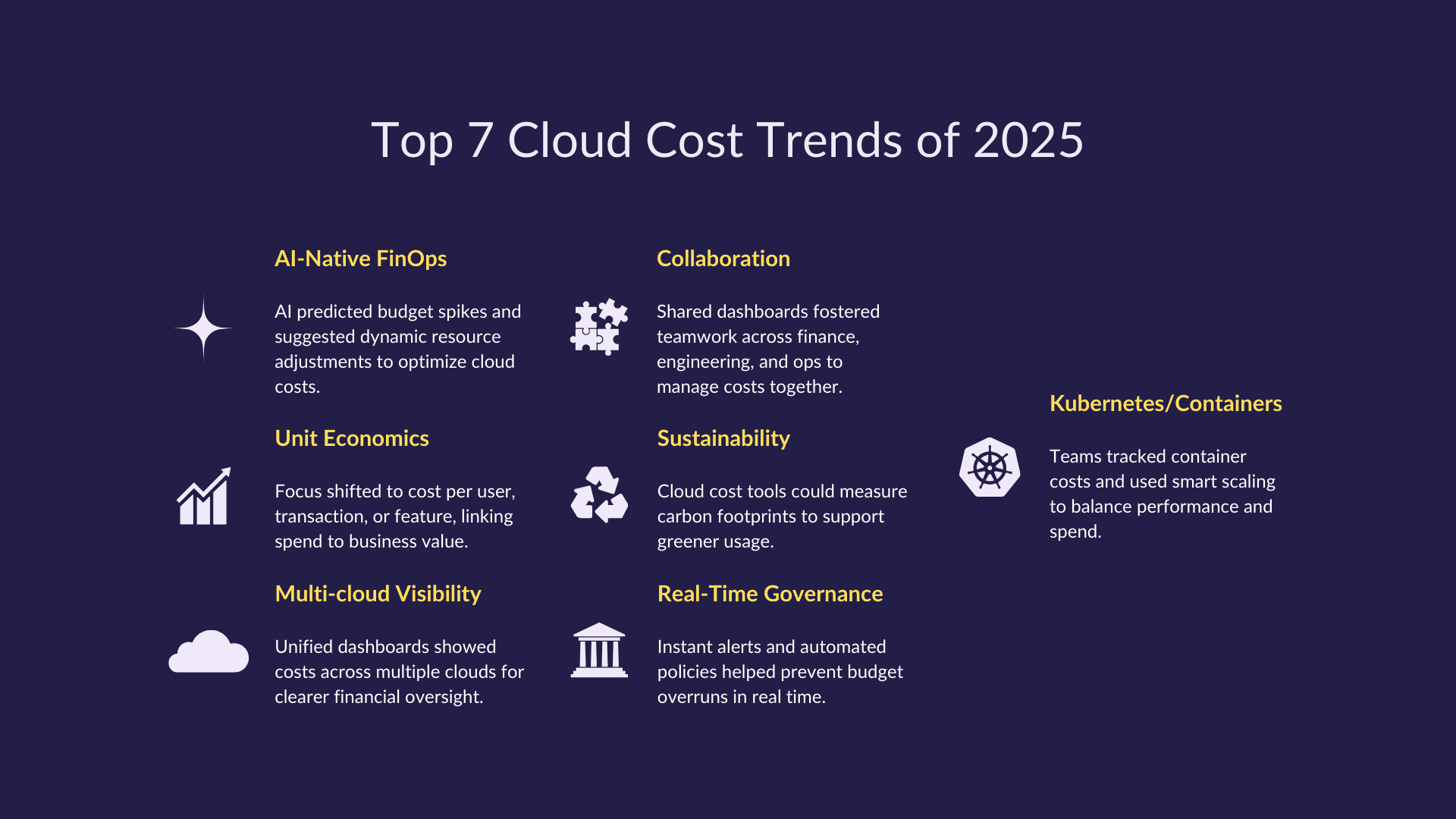
Associated items: Regardless of the Pattern used, the underlying information foundation is constructed from pipelines and syncs to external source systems. Information combination pipelines, written in a range of languages including SQL, Python, and Java, are used to incorporate datasources into the topic ontology. Foundry can from a wide array of sources, consisting of FTP, JDBC, REST API, and S3.
Aligning IT Governance With Strategic Efficiency
Want more info on this use case pattern? Looking to implement something similar? Get started with Palantir. .
The type of problem most frequently identified with the application of linear program is the issue of dispersing scarce resources amongst alternative activities. The limited resources are the times offered on the machines and the alternative activities are the specific production volumes.
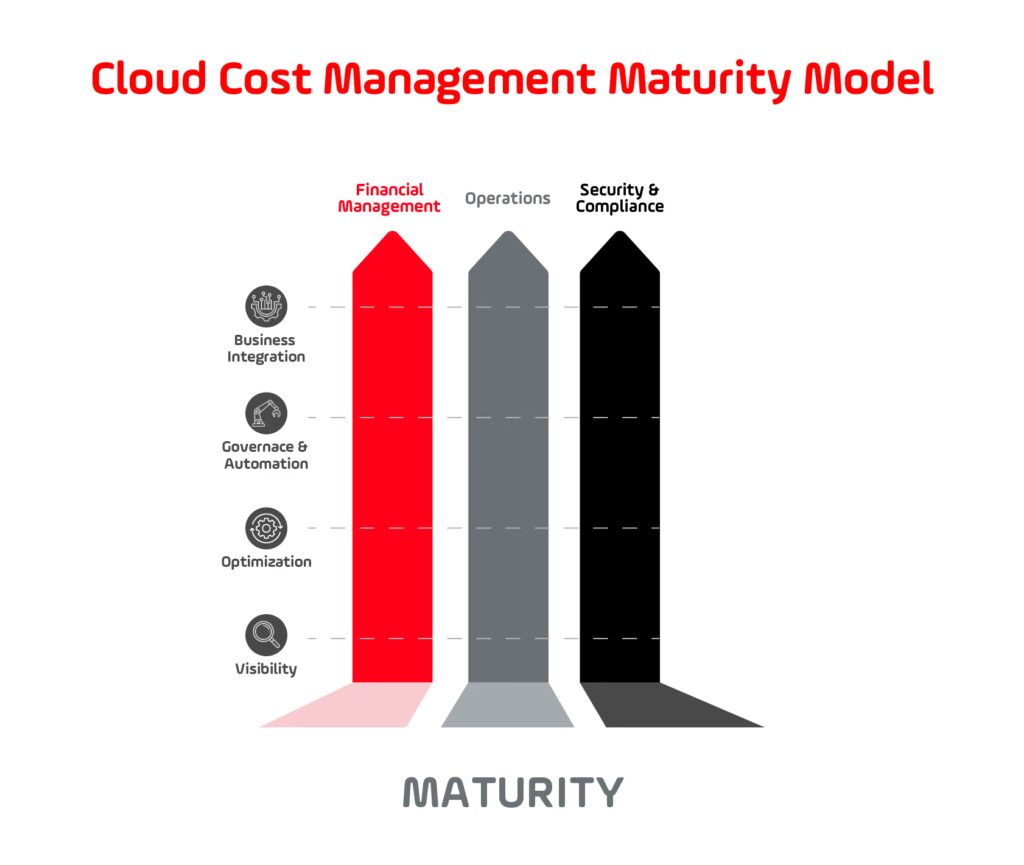
With the exception of product 4 that does not require device 1, each item needs to travel through all 4 devices. The unit revenues are also displayed in the table. The center has 4 machines of type 1, five of type 2, three of type 3 and 7 of type 4.
The problem is to identify the maximum weekly production quantities for the products. The goal is to take full advantage of overall earnings. In constructing a model, the primary step is to define the decision variables; the next step is to write the constraints and unbiased function in regards to these variables and the problem information.

Latest Posts
Refining Strategic IT Governance Protocols
Analyzing 2026 Vs. Legacy Cloud Cost Governance
Boosting Infrastructure ROI Through Strategic Governance