All Categories
Featured
Table of Contents
A strong MSP like PennComp serves as: A virtual CIOCybersecurity threat advisorAn IT roadmap plannerThey aid turn chaotic costs into a foreseeable, strategic design. Here's a typical breakdown for a 20200 worker company:35% Cybersecurity & danger reduction25% Cloud services & SaaS applications15% Hardware refreshes10% Backup & connection solutions10% IT support/managed services5% Training, compliance, and AI adoptionThis isn't a stiff formula, but it's a reasonable criteria numerous companies follow.
Align IT with company goals for next 5 years. Get professional input before devoting to large expenditures. Preparation early prevents last-minute purchasing, rushed choices, and needless downtime. This is the exact process, from infrastructure audit to professional help, our Houston's IT Assistance team is dealing with frequently, providing you clarity on what's outdated, susceptible, or costing more than it should.
Intentional IT budgeting offers you: Foreseeable regular monthly costsStrong cybersecurity foundationLower downtimeEfficient cloud usageSmart AI adoptionBetter employee outputClear growth-ready infrastructureIf you desire your business IT budget plan to remain steady rather than unforeseeable, develop a smarter spending plan now, not when issues strike. Required assistance building a clear, future-proof IT spending plan?.
How to Refine Cloud Spending for 2026 BudgetsPreparation an IT budget plan has actually constantly been a challenge for little and medium-sized organization owners. On one hand, underinvestment can result in system downtime and security vulnerabilities. On the other, extreme spending consumes into earnings. In 2026, the technological landscape continues to progress. Expert system, the shift to the cloud, and growing cyber threats determine new rules.
According to international research studies and our experience dealing with business, the average IT spend is between of overall income. Nevertheless, this figure depends heavily on the market: 7-10% (due to high security and innovation requirements) 5-8% (securing personal data, electronic systems) 4-6% 2-5% To balance your budget, it must be divided into several key classifications: Servers, computers, networking equipment.
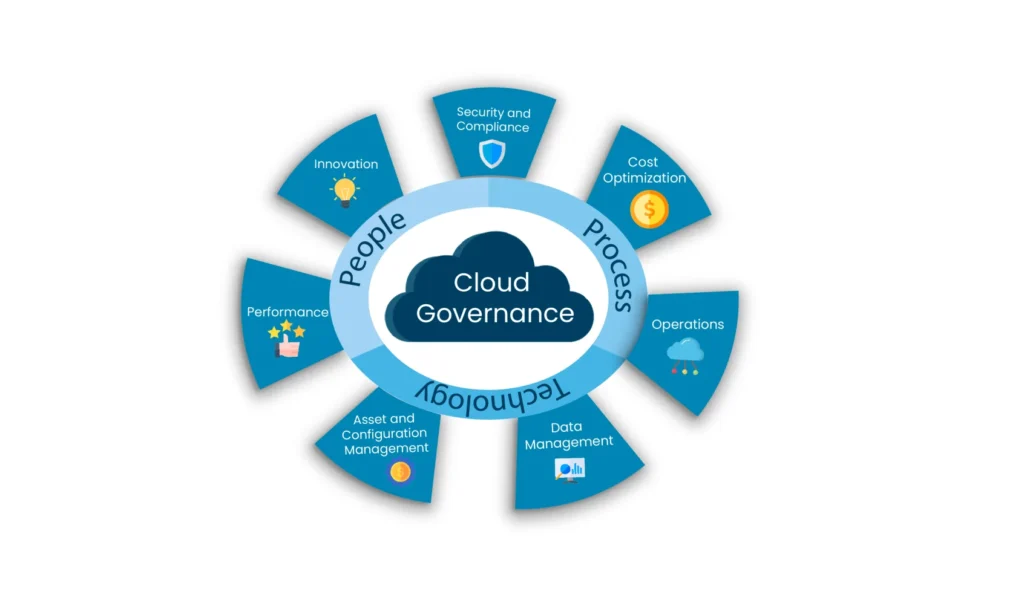
Maintaining Solid Enterprise Cost Governance Standards
ERP systems, CRM, workplace suites, specialized software application. In the 2026 landscape, this is an important classification where you can not cut corners. Companies typically try to conserve on IT support, overlooking the possible losses from system downtime.
How to Refine Cloud Spending for 2026 BudgetsAppropriate preparation will assist avoid unforeseeable costs and guarantee the smooth operation of the company. Required aid enhancing your IT budget?
For many companies, IT is still approached as a cost to manage rather than a financial investment to plan for. Budget plans get inspected, expenses get trimmed, and decisions are made with the objective of costs less this year. What typically gets missed out on is the long-lasting impact of that mindset. Being inexpensive with IT now usually causes greater costs, more disturbance, and higher danger later on.
C-suite leaders do not have exposure into when devices need to be changed, when licenses are ending, or how security and infrastructure are in fact holding up. Without a roadmap tied to a timeline and a spending plan, IT decisions end up being reactive. Internal groups are stretched thin as growth quickly exposes the gaps. Efficient IT preparing for 2026 is about taking duty for how technology supports the business and individuals who count on it.
Is Your 2026 IT Spending Optimized?
Treating IT as an expense instead of an investment causes higher long-lasting costs Not preparing at all increases both financial threat and functional disturbance Growth often exceeds internal IT groups and exposes spaces in assistance IT technique should be grounded in an evaluation of the existing environment AI adoption ought to be planned thoughtfully, not embraced reactively Cybersecurity must be dealt with as a standard IT obligation Effective IT planning need to include a roadmap connected to a clear timeline and budget For numerous organizations, IT preparation has actually historically been treated as a budgeting workout.
Correct planning will assist prevent unforeseeable costs and ensure the smooth operation of the company. Need help optimizing your IT budget? Contact IT-Premium for expert consulting. We will help you construct an efficient and dependable IT facilities.
For lots of companies, IT is still approached as a cost to manage rather than a financial investment to prepare for. Spending plans get scrutinized, costs get cut, and decisions are made with the objective of spending less this year. What frequently gets missed out on is the long-term effect of that mindset. Being low-cost with IT now generally leads to higher expenses, more disruption, and greater threat later.
C-suite leaders lack visibility into when devices need to be replaced, when licenses are ending, or how security and facilities are really holding up. Without a roadmap connected to a timeline and a spending plan, IT choices become reactive. Internal teams are extended thin as growth rapidly exposes the spaces. Efficient IT preparing for 2026 has to do with taking obligation for how innovation supports the organization and the people who count on it.
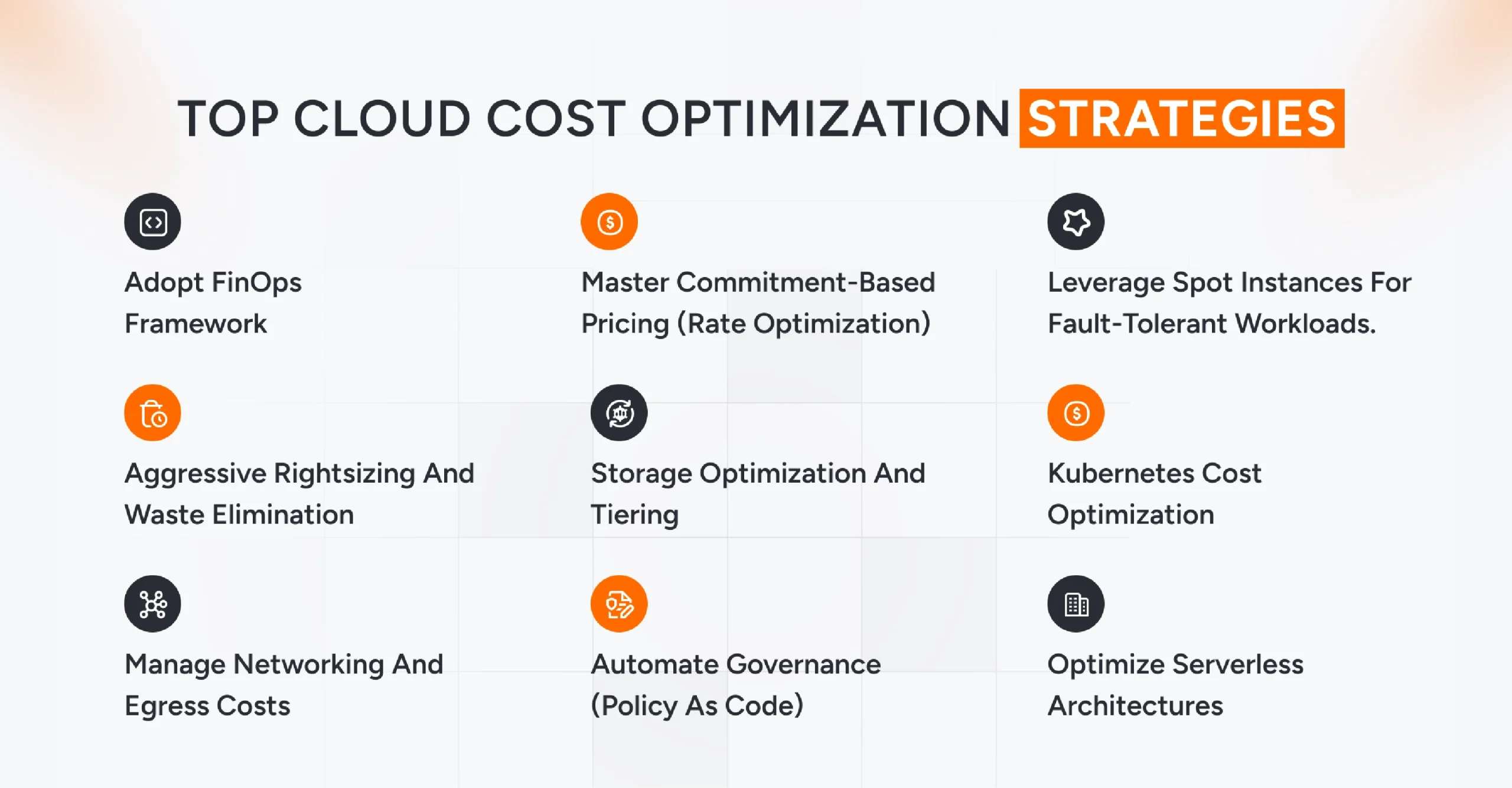
How to Maximize IT ROI With Better Metrics
Treating IT as an expense instead of a financial investment results in greater long-term expenses Not preparing at all increases both monetary threat and functional disruption Growth frequently outpaces internal IT groups and exposes spaces in support IT method should be grounded in an assessment of the current environment AI adoption ought to be planned attentively, not adopted reactively Cybersecurity needs to be dealt with as a standard IT duty Efficient IT planning should consist of a roadmap connected to a clear timeline and budget For lots of companies, IT planning has historically been treated as a budgeting exercise.

Latest Posts
Refining Strategic IT Governance Protocols
Analyzing 2026 Vs. Legacy Cloud Cost Governance
Boosting Infrastructure ROI Through Strategic Governance